
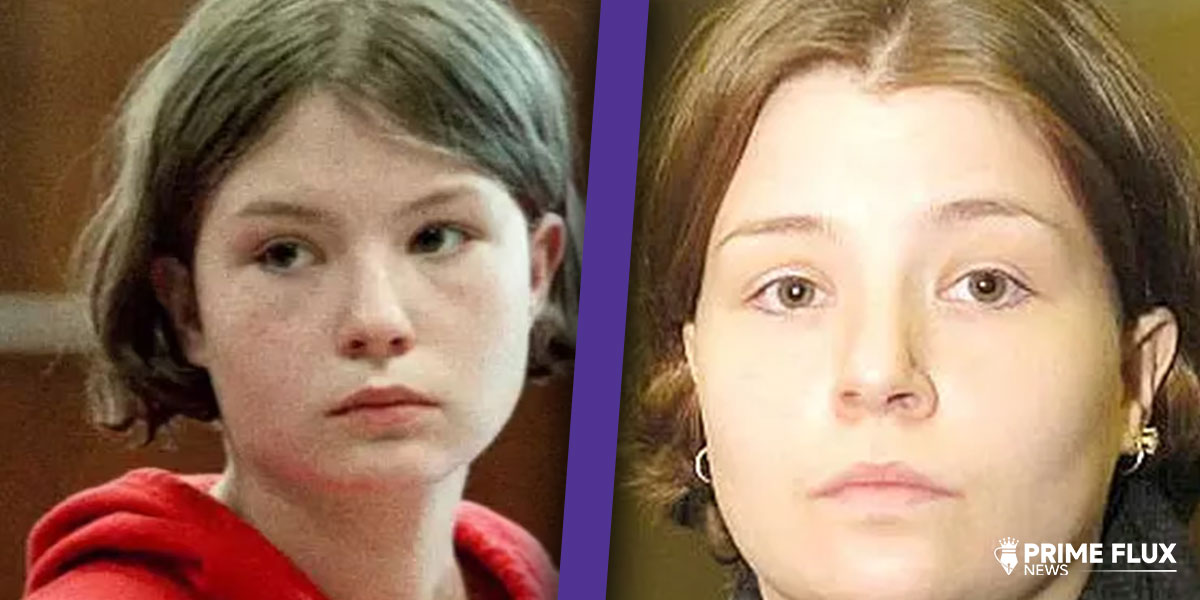
Daphne Abdela: Life, Past Events & Where She Is Now
Daphne Abdela was born and raised in Manhattan, New York, during the late 1970s. Growing up in an environment known for its cultural diversity and energy, she was surrounded by a mix of privilege and pressure that often defined youth in the city during that period. Friends and classmates described her as intelligent, expressive, and confident — someone with strong opinions and a desire for independence.
Her upbringing reflected the contrast of Manhattan life in the 1990s — an era marked by both opportunity and intensity. Like many teens of her generation, Daphne navigated the challenges of identity, peer influence, and personal choices under the public eye, which later became a defining part of her story.
| Detail | Information |
| Full Name | Daphne Abdela |
| Date of Birth | 1997 |
| Nationalty | American |
| Public Interests | Legal case, youth rehabilitation |
| Known For | Christopher Vasquez |
The 1997 Incident and Public Reaction
In 1997, when Daphne Abdela was just 15 years old, she became widely known due to her involvement in the tragic Central Park case concerning the death of Michael McMorrow. The case received heavy media attention, not only because of the violence involved but also due to the age of those implicated.
Her co-defendant, Christopher Vasquez, was also a teenager at the time. The combination of youth, affluence, and crime led to a media frenzy that quickly labeled Abdela and Vasquez in ways that shaped public perception for years to come. Newspapers dubbed her the “Baby-Faced Killer” — a term that, while sensational, overlooked the deeper issues of adolescence, mental health, and the justice system’s handling of minors.
Legal Proceedings and Sentencing
During court proceedings, both Abdela and Vasquez faced charges linked to the case. The legal process highlighted the complexities of juvenile crime — specifically, whether teenagers should be tried as adults in serious cases.
Ultimately, Daphne Abdela pleaded guilty to manslaughter, while Christopher Vasquez was convicted of second-degree murder. Abdela was sentenced to several years in juvenile custody. The trial was a turning point in how New York City handled youth crime, stirring debates about rehabilitation versus punishment.
Her sentencing sparked discussions among legal experts, social workers, and media outlets. Many questioned how society should treat young offenders who commit serious acts, particularly when factors like upbringing, peer pressure, and environment are at play.
Read More: Marissa Rivera: Life, Career, and Creative Journey
Life After Release — Daphne Abdela Now
After completing her sentence, Daphne Abdela’s life took a private turn. Unlike many public figures linked to high-profile cases, she chose not to remain in the media spotlight. As of recent public records, Daphne Abdela now lives a quiet, low-profile life away from New York City.
There are no confirmed public appearances or interviews from her in recent years, reflecting her preference for privacy. Her absence from social media and major publications has fueled online curiosity about “where is Daphne Abdela now” and “Daphne Abdela today,” but verified updates remain scarce.
What is known is that she completed her sentence, reportedly pursued education after release, and sought to rebuild her life beyond the tragedy that once defined her youth.
Christopher Vasquez and Daphne Abdela Today
The story of Christopher Vasquez and Daphne Abdela today continues to attract public interest because of how their paths diverged after the 1997 case. Both served their respective sentences, yet their names remain connected in public memory.
Vasquez, like Abdela, later attempted to reintegrate into society, though both continued to face the social consequences of being associated with a highly publicized case. The pair’s story is often revisited in documentaries, legal discussions, and retrospectives about youth justice in America.
The long-term impact of their actions and the resulting media coverage has been used in academic studies exploring how young offenders cope with rehabilitation, stigma, and public judgment after incarceration.
Family and Personal Life
Not much is publicly known about Daphne Abdela’s parents or her current family life. During the 1990s, her family was described in news reports as supportive yet overwhelmed by the intense publicity surrounding the case. They stood by her during court appearances and helped her through the legal process.
Since her release, Daphne has reportedly lived outside of Manhattan, maintaining a private lifestyle. Any claims about her career or relationships remain speculative, as no verified public statements or interviews have been made by her or her family.
This discretion underscores her apparent desire to move beyond the past and focus on a new life chapter, free from media attention.
Public Perception and Media Legacy
The media portrayal of Daphne Abdela in the late 1990s shaped much of how the public viewed juvenile crime for years to come. Headlines at the time painted her as a symbol of youth violence and moral decline — narratives that often overshadowed the human and psychological complexities of her situation.
In retrospect, modern journalism has begun to re-examine such coverage, recognizing that sensationalism frequently replaced balanced reporting. Today, discussions around Daphne Abdela’s case often highlight how social class, gender, and age influenced both the media narrative and the legal outcome.
Her story remains a case study in criminology and media ethics courses, exploring how society treats young offenders and how early life mistakes can cast long shadows.
Rehabilitation and Life Lessons
One of the more constructive outcomes of Daphne Abdela’s story is the ongoing discussion around rehabilitation. Experts often cite her case when advocating for restorative justice — a system emphasizing rehabilitation, accountability, and reintegration instead of long-term punishment for juveniles.
Reports from former legal professionals involved in the case suggest that Daphne demonstrated remorse and cooperation during her sentence. Those who studied her case emphasize the need for empathy, systemic reform, and educational opportunities for youth who make destructive choices under social or emotional stress.
Her journey underscores the belief that individuals can change and that early intervention, counseling, and guidance can prevent similar tragedies in the future.
Social Media & Online Presence
Unlike many modern figures, Daphne Abdela does not maintain a social media presence. Searches for her name often lead to archived news articles and case studies rather than active accounts.
This lack of visibility may be intentional, reflecting her wish to distance herself from past media attention. Many speculate that she has built a quiet, independent life outside the public sphere, focusing on privacy and normalcy rather than notoriety.
Public Interest: Why the Story Still Resonates
The enduring fascination with Daphne Abdela’s story lies in its complexity — a blend of tragedy, youth, and societal response. It continues to raise questions about how the justice system deals with minors, how media sensationalism shapes perceptions, and how people rebuild their lives after public scrutiny.
For many, her story represents both a cautionary tale and a call for compassion. It shows how early choices, external pressures, and poor judgment can alter the course of young lives, and how society’s response to such events often defines their long-term outcomes.
Daphne Abdela and Christopher Vasquez 2024
As of 2024, there are no new verified updates about Daphne Abdela and Christopher Vasquez. Both individuals appear to have moved on from public life, focusing instead on privacy and rebuilding.
However, their story occasionally resurfaces in legal and media discussions, especially in retrospectives on New York crime history. Many journalists and academics cite the case as an example of how 1990s tabloid culture affected perceptions of youth offenders.
Today, both names remain part of conversations about legal reform, ethics, and rehabilitation — subjects that continue to evolve with modern understanding of adolescent behavior and responsibility.
Frequently Asked Questions
Who is Daphne Abdela?
Daphne Abdela gained public attention in 1997 due to her involvement in a Central Park incident as a teenager. She later served a sentence and has since lived privately.
Where is Daphne Abdela now?
As of recent reports, Daphne Abdela now lives a quiet, private life outside New York City, avoiding media exposure and public attention.
What happened to Christopher Vasquez and Daphne Abdela today?
Both served their sentences and reportedly live outside the public eye. Their story remains part of legal and media studies discussions.
What is known about Daphne Abdela’s parents?
Publicly available information about Daphne Abdela’s parents is limited. They supported her during her legal challenges but have since remained private.
Why is Daphne Abdela’s case still discussed today?
Her case symbolizes broader issues about youth crime, media ethics, and rehabilitation — topics that remain relevant in both legal and social debates.
Final Thoughts
The story of Daphne Abdela is not just about a tragic event but also about how society views, judges, and sometimes rehabilitates its youngest offenders. It is a story that blends remorse, media scrutiny, and the hope of personal redemption.
While curiosity about “where is Daphne Abdela now” continues, the real lesson lies in understanding the importance of guidance, empathy, and second chances.