
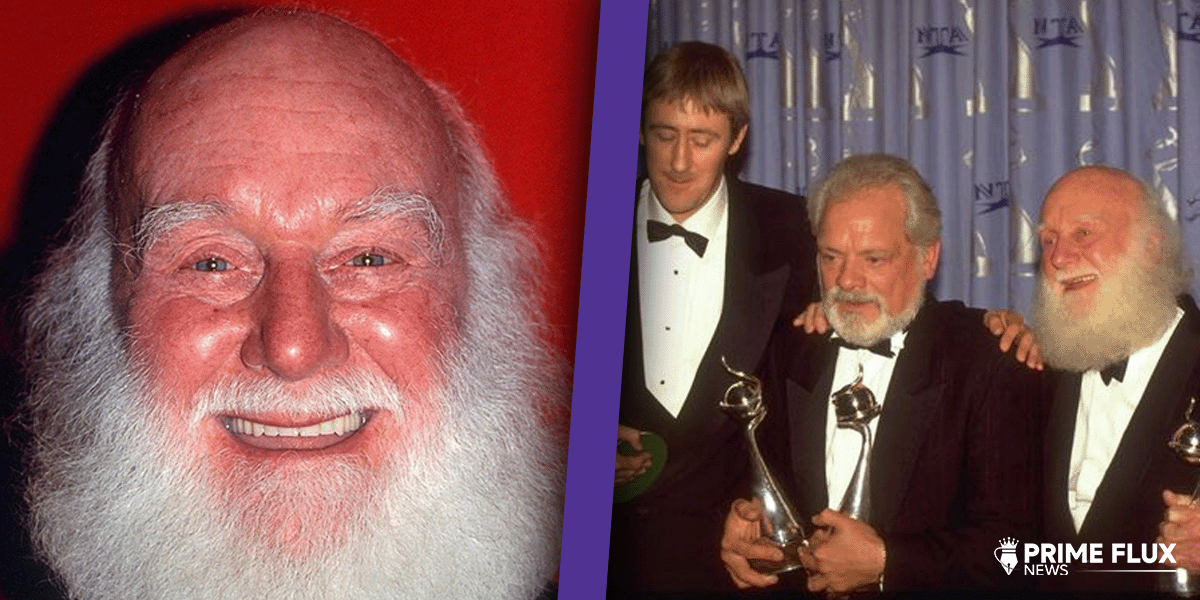
Buster Merryfield: The Gentleman Actor Who Defied Time and Convention
In the golden era of British television, few names command the affection and respect that Buster Merryfield does. Known to millions as Uncle Albert from Only Fools and Horses, he was a man whose life embodied discipline, kindness, and perseverance. What makes Merryfield’s story so extraordinary isn’t just his fame, but the fact that he achieved it so late in life—after retiring from a long career in banking. From his younger days as a champion boxer to his strict personal ethics and remarkable transformation into a national treasure, his journey is a testament to how determination can triumph over age and circumstance.
This article explores the fascinating life of Buster Merryfield, his early years, dedication to fitness, family life, cause of death, and enduring impact on British entertainment.
Quick Bio
Detail | Information |
Full Name | Harry “Buster” Merryfield |
Date of Birth | 27 November 1920 |
Place of Birth | Battersea, London, England |
Date of Death | 23 June 1999 |
Occupation | Actor, Banker |
Famous Role | Uncle Albert in Only Fools and Horses |
Spouse | Iris Mountford (m. 1942–1999) |
Children | 1 daughter |
Known For | Discipline, fitness, late acting career, |
Early Life and the Making of a Gentleman
Before the world knew him as the lovable Uncle Albert, Buster Merryfield was simply Harry Merryfield, a young boy growing up in Battersea. Born on 27 November 1920, he earned the nickname “Buster” as a baby because of his solid build. Even as a child, Merryfield stood out—not for mischief, but for his remarkable sense of discipline and purpose.
He attended schools in South London, where his teachers noted his leadership qualities and sense of fairness. During his youth, he developed a passion for physical fitness, sports, and competition. Little did anyone know that these traits would shape both his personal and professional life for decades to come.
Buster Merryfield Young: The Boxer with a Purpose
In his younger years, Buster Merryfield was not just active—he was an athlete with real skill. He became a schoolboy boxing champion in 1936, winning acclaim for his determination and sportsmanship. His love for fitness and structure made him a natural in the ring, where he fought with precision and integrity rather than aggression.
When World War II broke out, he joined the British Army, serving his country with pride. During this time, he became the Southern Command boxing champion in 1945, proving that even amid chaos, he could maintain his strength and discipline. His wartime service deepened his sense of responsibility, loyalty, and humility—qualities that would later shine through his television persona.
Even after leaving the military, Merryfield continued to promote fitness among young people. He coached boxing for many years, helping boys develop not just physical strength but character and confidence. To the end, he remained a firm believer that true success begins with discipline.
Buster Merryfield Muscles and His Legendary Discipline
Fans who met Buster Merryfield in person often remarked on his incredible fitness—even in old age. He famously never smoked, never drank alcohol, and avoided swearing, living by a strict moral code. He believed in keeping his “body and mind clean,” and this belief defined much of his life.
Unlike many actors, Merryfield didn’t rely on diets or fads. Instead, he lived by a simple regimen: daily press-ups, swimming, and walking. Into his seventies, he could still perform dozens of push-ups without struggle—a testament to his lifelong dedication.
His muscular physique wasn’t for show—it was a reflection of who he was: strong, reliable, and full of energy. When fans asked him about his secret, he simply said, “Consistency and clean living.” His toned build and bright eyes were proof that the human spirit, when guided by self-control, can remain youthful far beyond its years.
Read More: Daniel Farke: The Journey of a Tactical Visionary
The Unexpected Career Shift: From Banker to Actor
Before the bright lights of television came into view, Buster Merryfield spent more than 40 years working in banking. He joined Westminster Bank (later known as NatWest) at a young age and rose through the ranks to become a respected manager. His colleagues admired his honesty and dedication.
But as he neared retirement, Merryfield found himself drawn to a new passion—acting. After retiring from the bank in 1978, at age 57, he decided to take a leap of faith. He joined amateur dramatics and began performing in local theatre productions. His commanding presence and natural warmth soon caught the attention of casting directors.
That decision, made at an age when most people slow down, changed the course of his life forever.
The Rise to Fame: Uncle Albert in Only Fools and Horses
In 1985, Buster Merryfield landed the role that would define his career—Uncle Albert, the long-lost relative who joins Del Boy and Rodney in the BBC sitcom Only Fools and Horses. His catchphrase “During the war…” became a national favorite, and his performance earned him a place in British pop culture history.
Merryfield’s natural charm and timing made Uncle Albert unforgettable. He brought heart and humor to every scene, creating a character who was both comical and deeply human. Fans loved his sincerity and his ability to make people laugh without ever being cruel or over-the-top.
Behind the scenes, he was equally admired. Cast members often spoke of his professionalism and politeness, describing him as a “gentleman in every sense.” His journey from banker to beloved TV figure proved that it’s never too late to follow one’s dreams.
Buster Merryfield Wife: A Lifetime of Love and Loyalty
While his professional life was filled with late success, Buster Merryfield’s wife, Iris Mountford, was the foundation of his happiness. The two married in June 1942, in the midst of the war, and shared more than five decades of unwavering companionship.
Their marriage was one of quiet devotion. Iris supported him through his long banking career and later through his unexpected fame in television. They had one daughter, Karen, and two grandchildren, with whom Merryfield was deeply involved.
When he spoke about Iris, he always described her as his “anchor” and “greatest blessing.” Their enduring love was proof that fame and fortune are fleeting, but family remains forever. Even after his passing, Iris continued to honor his memory until her own death in 2002.
Buster Merryfield Net Worth and Financial Legacy
Although Buster Merryfield’s net worth was never publicly disclosed, his career ensured he lived comfortably. Having worked as a bank manager for decades before his acting career took off, he had both a pension and savings.
His role in Only Fools and Horses—one of Britain’s most-watched comedies—brought him financial stability and national recognition. Unlike many celebrities, he wasn’t extravagant. Merryfield remained humble, often donating to charitable causes and staying close to his community.
While figures vary, most sources estimate that his net worth at the time of his passing ranged between £1 million and £2 million, combining his banking career, acting royalties, and investments.
Buster Merryfield Cause of Death: A Farewell to a Legend
Sadly, Buster Merryfield’s cause of death was due to a brain tumour, which claimed his life on 23 June 1999. He passed away at Poole General Hospital, surrounded by loved ones. His death came just eleven days after the diagnosis, leaving fans and fellow actors deeply shocked.
Tributes poured in from across the entertainment world. Colleagues from Only Fools and Horses remembered him as a kind, generous man whose laughter and moral strength brightened every set. David Jason, who played Del Boy, called him “a true gentleman—honest, kind, and rare.”
Merryfield’s funeral was a private affair, attended by family and close friends. He was later buried alongside his beloved wife Iris. His passing marked the end of an era, but his legacy continues to inspire millions.
Legacy of Strength, Faith, and Character
Buster Merryfield wasn’t just a talented actor—he was a man who embodied discipline, compassion, and perseverance. His story challenges the idea that success is reserved for the young. He proved that with passion and integrity, one can start anew at any stage of life.
His combination of moral strength, physical vitality, and emotional honesty made him more than a television icon; he became a role model. In every interview, he spoke not of fame, but of gratitude—for his wife, his career, and the chance to bring laughter to others.
Even today, reruns of Only Fools and Horses keep his memory alive, reminding audiences that the best performances come from the heart.
FAQs
Who was Buster Merryfield?
Buster Merryfield was an English actor best known for playing Uncle Albert in Only Fools and Horses. Before acting, he worked as a bank manager for over 40 years.
What was Buster Merryfield’s cause of death?
He died from a brain tumour on 23 June 1999, aged 78.
What was Buster Merryfield like when young?
In his youth, he was a boxing champion, known for his discipline, fitness, and sense of honor.
Did Buster Merryfield really have strong muscles?
Yes. He was extremely fit, performing daily exercises well into his seventies, and maintained a muscular build throughout life.
Who was Buster Merryfield’s wife?
His wife was Iris Mountford, whom he married in 1942. They were together for 57 years until his death.
What was Buster Merryfield’s net worth?
Though not officially confirmed, estimates place it between £1–2 million, reflecting his long banking career and acting success.
Conclusion
The life of Buster Merryfield is a rare story of dedication, morality, and courage. From a disciplined young boxer to a respected banker, and finally to a late-blooming television star, he lived every chapter with integrity. His devotion to fitness, love for his wife, and refusal to compromise his principles made him as admirable off-screen as he was on it.
Though he passed away more than two decades ago, his laughter, values, and legacy continue to echo through British comedy. Buster Merryfield remains a timeless symbol of strength, humility, and the belief that it’s never too late to shine.